2026 Best Heat Pump for Cooling and Hot Water?

Time:2026-10-12 Author:Amelia
0%

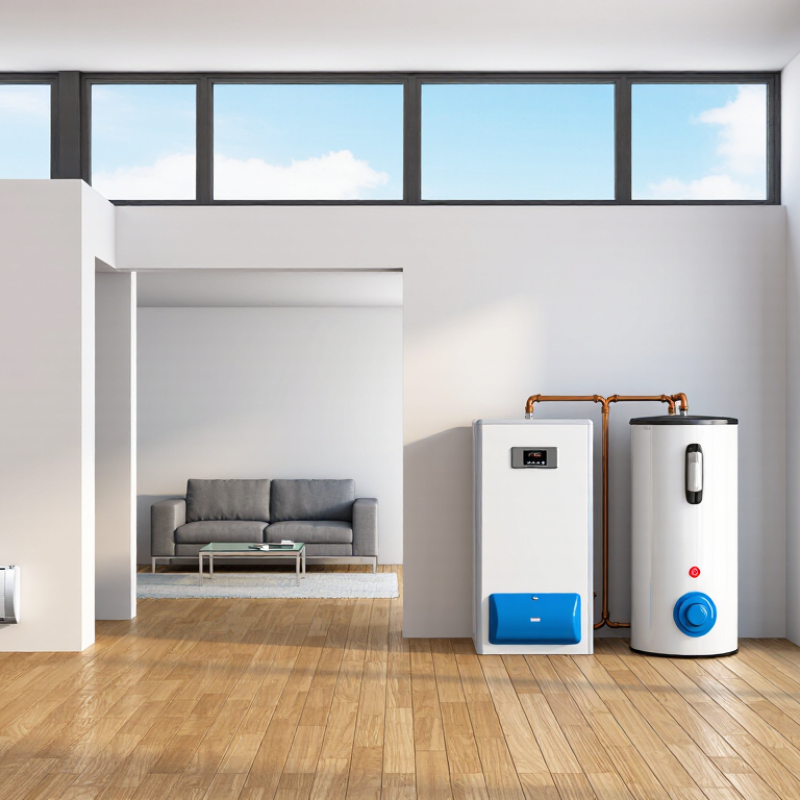
Choosing the 2026 Best Heat Pump for Cooling and Hot Water? The answer depends on system design, climate, and household demand. Can I use a heat pump for both cooling and hot water? Yes, but not every model can do both tasks. Air-to-water systems can cool rooms through fan coils or radiant panels. They can also heat a storage tank for domestic hot water. Standard ducted air-source units usually cool and heat indoor air only.

The International Energy Agency reported that global heat pump sales increased by 11% in 2022. Sales grew even faster in Europe, where demand rose by almost 40%. ENERGY STAR reports that certified heat pump water heaters can use up to 70% less energy than standard electric resistance models. These figures are useful, but they do not guarantee equal savings in every home. Cold weather, electricity prices, insulation, and tank size change the result.

Fatih Birol, Executive Director of the IEA, said, “Heat pumps are an indispensable part of the transition to secure and sustainable heating.” His statement supports the technology’s wider role, including efficient cooling and water heating. Still, choosing a system is not perfectly simple. A family taking several long showers may need a larger tank. A small apartment may need a compact integrated unit. Refrigerant choice, noise, backup heating, and installer quality also matter. This guide compares practical 2026 options, while acknowledging one uncomfortable truth: the most efficient heat pump is useless when poorly sized or installed.
2026 Best Heat Pump for Cooling and Hot Water?

Heat Pump Types for Cooling and Domestic Hot Water

For 2026 projects, the best heat pump depends on both cooling needs and domestic hot water demand.

An air-source heat pump is often practical for mild or moderate climates. It can reverse its cycle to cool rooms and heat water through a storage tank. However, its efficiency may fall during freezing weather.

Not perfect.

An air-to-water heat pump can serve radiators, underfloor cooling, and domestic hot water. It suits homes with hydronic heating systems, but cooling requires humidity control and careful pipe insulation.

A ground-source heat pump provides steadier performance because underground temperatures change slowly. Installation costs and drilling requirements remain significant concerns.

A dedicated heat pump water heater is another option. It handles hot water efficiently, while a separate cooling system manages indoor temperatures. This arrangement can be easier to repair, though it uses more equipment.

A reliable design starts with a room-by-room heat-loss calculation, not a rough floor-area estimate. The installer should check household water use, storage volume, noise levels, outdoor temperature, and electrical capacity.

Simultaneous demand matters. A family may need cooling while several showers are using hot water. Oversized equipment can cycle frequently and waste energy.

Undersized equipment may rely heavily on backup heating. That trade-off is easy to miss.

Look for documented seasonal efficiency, service access, frost protection, and compliance with local codes.

Independent commissioning is valuable because a well-designed system can still perform poorly when controls, airflow, or water temperatures are set incorrectly.

Key Performance Factors for Choosing a 2026 Heat Pump

Choosing the Best Heat Pump for Cooling and Hot Water in 2026

A good 2026 heat pump must handle two different jobs without wasting energy. Cooling performance depends on seasonal efficiency, humidity control, and stable operation during peak afternoon heat. Look for published SEER2 and EER2 ratings, but do not trust one number alone. A unit rated for 35°C outdoor temperatures may perform differently in a humid coastal home. Measure the rooms, insulation, windows, and daily hot-water demand before selecting capacity.

Hot-water performance needs separate attention. Check the usable water temperature, recovery time, storage-tank size, and efficiency at low outdoor temperatures. A household using two showers back-to-back needs more recovery capacity than a single occupant. In colder regions, confirm whether an electric backup heater is required. That backup can raise operating costs sharply. Anti-legionella controls should also follow local health guidance and installation standards.

Noise and maintenance matter in real homes. A bedroom-side outdoor unit may seem quiet in a showroom, then sound different against a brick wall at night. Ask for measured sound levels and vibration-control details. Experienced installers should verify airflow, refrigerant lines, drainage, electrical protection, and water connections. Poor commissioning can erase much of the expected efficiency. I would also compare independent test data, not only manufacturer claims. No selection is perfect; unusual weather, changing electricity rates, and imperfect installation can alter the result.verter

How to Match Heat Pump Capacity to Home Heating and Water Demand

2026 Best Heat Pump for Cooling and Hot Water?

How to Match Heat Pump Capacity to Home Heating and Water Demand

Choosing the best heat pump starts with the home, not the equipment label. A qualified installer should calculate room-by-room heat loss using insulation, window size, floor area, and local winter temperatures. Guessing from square footage can create costly mistakes.

For cooling, check the summer heat load separately. A shaded bedroom may need far less capacity than a sun-facing living room. For hot water, record household size, shower times, tub use, and recovery expectations. A family of four with evening showers needs a different cylinder and control strategy than two adults using water throughout the day. Storage volume matters. So does recovery speed.

Oversizing often reduces efficiency because the system cycles instead of running steadily. Undersizing can require backup heat on cold mornings. Neither result is ideal. In my experience, a detailed load calculation is more valuable than a quick replacement quote. Yet even a careful model can miss real habits, such as repeated laundry loads or guests staying overnight. Ask for measured assumptions, design temperatures, and low-temperature output data. Review noise levels, electrical capacity, defrost behavior, and service access before choosing. A modest buffer tank may help some systems, but it is not automatically necessary. The final match should balance heating, cooling, hot water, comfort, and realistic daily use.

2026 Best Heat Pump for Cooling and Hot Water? - How to Match Heat Pump Capacity to Home Heating and Water Demand

Planning guide based on peak design heating load, cooling load, domestic hot-water demand, climate, and system operating temperature. Final sizing should be confirmed by a room-by-room heat-loss and heat-gain calculation.

Home Scenario Typical Conditioned Area Peak Heating Load at Design Temperature Peak Cooling Load Typical Occupants Recommended Heat-Pump Heating Capacity Suggested Domestic Hot-Water Storage Approximate Daily Hot-Water Demand Cooling and Hot-Water Matching Guidance
Small, well-insulated home 80–120 m²
860–1,290 ft²
4–6 kW
13,600–20,500 BTU/h
3–5 kW
10,200–17,100 BTU/h
1–2 people 150–200 L
40–53 gal
80–120 L/person/day of mixed water use Choose a unit with stable low output and good part-load efficiency. A storage tank helps avoid operating the compressor at maximum output during short hot-water peaks.
Average family home 120–180 m²
1,290–1,940 ft²
6–9 kW
20,500–30,700 BTU/h
5–8 kW
17,100–27,300 BTU/h
3–4 people 200–300 L
53–79 gal
240–480 L/day of mixed water use Match capacity to the calculated heating load rather than floor area alone. Verify that cooling output at the local summer design condition remains adequate without excessive oversizing.
Large or moderately insulated home 180–250 m²
1,940–2,690 ft²
9–14 kW
30,700–47,800 BTU/h
8–12 kW
27,300–41,000 BTU/h
4–6 people 300–400 L
79–106 gal
320–720 L/day of mixed water use Use a larger tank or a higher-recovery heat exchanger when several showers, baths, or appliances may operate close together. Check electrical supply and backup-heater requirements.
Cold-climate home with high winter load 120–200 m²
1,290–2,150 ft²
10–16 kW
34,100–54,600 BTU/h
5–9 kW
17,100–30,700 BTU/h
3–5 people 250–400 L
66–106 gal
240–600 L/day of mixed water use Compare certified capacity at low outdoor temperatures, not only the nominal rating. Confirm defrost behavior, low-temperature operation, and whether backup heat is needed for the coldest hours.
Home with high cooling demand 150–250 m²
1,610–2,690 ft²
6–10 kW
20,500–34,100 BTU/h
10–16 kW
34,100–54,600 BTU/h
3–5 people 250–400 L
66–106 gal
240–600 L/day of mixed water use Do not size only for summer cooling. A variable-speed system, zoning, humidity control, and adequate airflow can reduce cycling when cooling load is much higher than heating load.
Home with frequent simultaneous hot-water use Any size; typically 150–300 m² Based on calculated building heat loss Based on calculated building heat gain 4–6 people 300–500 L
79–132 gal
400–720 L/day of mixed water use Prioritize tank volume, heat-exchanger performance, and recovery time. A larger heat pump is not always the best solution if the building load is small but hot-water peaks are high.
Key sizing notes: Heating capacity should generally be selected from the building’s calculated heat loss at the local winter design temperature. Cooling capacity should be based on calculated sensible and latent heat gain at the local summer design condition. For domestic hot water, a practical planning estimate is approximately 40–80 L per person per day of hot water at about 45–60°C, depending on habits and fixture use. Heat-pump output and efficiency vary with outdoor temperature, leaving-water temperature, airflow, and defrost operation. Oversizing can increase cycling and installation cost, while undersizing may increase backup-heater use and reduce comfort.

Installation Requirements, System Design, and Maintenance

2026 Best Heat Pump for Cooling and Hot Water?

The best 2026 heat pump depends on load calculations, not advertising claims. A qualified installer should measure room-by-room heating and cooling demand. Oversized equipment may cycle too often. That can reduce comfort and efficiency.

The U.S. Department of Energy reports that heat pumps can deliver two to four units of heat for each unit of electricity consumed. This advantage depends on correct sizing, airflow, and operating temperatures.

Installation requirements begin with electrical capacity, outdoor clearance, refrigerant lines, drainage, and ventilation. A combined heating, cooling, and hot-water system also needs a properly sized storage tank.

Pipe insulation matters. Poor insulation can waste heat before water reaches the tap.

The International Energy Agency’s The Future of Heat Pumps reports that heat-pump sales grew strongly worldwide, but installation quality remains essential for real-world performance. Local climate data should guide backup heat and defrost design.

Maintenance is simple, but not optional. Inspect filters monthly during heavy use. Keep leaves and snow away from the outdoor coil. Check condensate drains before the cooling season.

A technician should verify refrigerant pressure, electrical connections, airflow, and water-tank safety controls during scheduled service. The U.S. Department of Energy recommends professional inspection for key system components.

One weakness remains common: homeowners often judge performance by the thermostat alone. Electricity use, run time, noise, and hot-water recovery should also be recorded. Small notes reveal large problems.

Comparing Efficiency, Costs, Features, and Long-Term Value

2026 Best Heat Pump for Cooling and Hot Water?

Choosing the best heat pump means comparing more than its purchase price. Cooling performance, hot-water output, efficiency, and long-term service costs all matter. A high seasonal efficiency rating can reduce electricity use, but only when the system is correctly sized. An oversized unit may cycle frequently and waste energy. An undersized unit may struggle during a humid summer afternoon.

Look at the full installation cost. This includes pipework, electrical upgrades, storage tanks, controls, and labor. A system with a slightly higher price may offer better insulation, quieter operation, and stronger corrosion protection. Check its performance at different outdoor temperatures, not only the advertised peak rating. For hot water, compare recovery time and usable tank capacity. A family of four may notice the difference during consecutive showers. The cheapest quote is not always the lowest-cost choice. I would not ignore maintenance access, either. Poor access can make simple repairs expensive.

Tips: Request a room-by-room heat-loss calculation. Compare seasonal ratings under local weather conditions. Ask for separate cooling and hot-water energy estimates. Check noise levels near bedrooms and property boundaries. Review warranty terms, filter cleaning, and technician availability. Keep a record of electricity use after installation. Real measurements may challenge the original forecast, and that is useful.

2026 Best Heat Pump for Cooling and Hot Water?

Representative comparison of efficiency, costs, and long-term value for three equipment configurations. Values are based on typical residential U.S. benchmarks and are intended for planning, not a project quotation.

Lowest upfront cost
A standard air-source heat pump paired with a resistance water heater generally requires the least initial investment, but resistance water heating uses substantially more electricity.
Best overall balance
A cold-climate air-source heat pump paired with a heat-pump water heater typically offers strong cooling efficiency, lower electricity use, and a more manageable installation cost.
Highest long-term efficiency
Ground-source systems can deliver the lowest annual electricity consumption, but their high installation cost usually requires a long ownership period to justify the investment.

Assumptions: 15-year ownership, electricity at $0.16/kWh, representative installed costs, and combined space-cooling plus domestic-hot-water electricity use. Actual results vary with climate, home size, insulation, water demand, utility rates, incentives, and installation conditions.

FAQS

Which heat pump type suits cooling and domestic hot water in 2026?

An air-source heat pump suits mild or moderate climates. It can cool rooms and heat water through a storage tank. Its efficiency may fall during freezing weather. Not perfect.

When is an air-to-water heat pump a practical choice?

It works well with radiators or hydronic floor systems. Cooling requires humidity control and carefully insulated pipes. Poor insulation can cause condensation on floors or walls.

What are the main benefits of a ground-source heat pump?

Underground temperatures change slowly. This supports steadier performance across changing weather. Drilling, excavation, and installation costs can be significant. The site must allow suitable ground work.

Why choose a dedicated heat pump water heater?

It heats domestic water efficiently while a separate system cools the home. Repairs may be simpler. However, the home needs more equipment and additional maintenance points.

How should the system capacity be selected?

Use a room-by-room heat-loss and cooling-load calculation. Do not rely only on floor area. Check household water use, storage volume, outdoor temperatures, and electrical capacity. A rough estimate can mislead.

Why does simultaneous demand matter?

The system may cool the home while several people take showers. The storage tank must recover enough hot water during that period. Oversized equipment may cycle frequently. Undersized equipment may depend heavily on backup heating.

What installation details deserve careful checking?

Confirm electrical capacity, outdoor clearance, refrigerant lines, drainage, ventilation, and pipe insulation. Check local code requirements. Frost protection and defrost settings should match the local climate. Small installation mistakes can cause large losses.

What maintenance does a heat pump need?

Inspect filters monthly during heavy use. Remove leaves and snow from the outdoor coil. Check condensate drains before cooling season. A technician should inspect airflow, electrical connections, refrigerant pressure, and tank safety controls.

How can long-term value be compared?

Compare total installation costs, seasonal efficiency, hot-water recovery time, tank capacity, noise, and service access. Include electrical upgrades, controls, pipework, and labor. The cheapest quote may become expensive later. Keep electricity, runtime, noise, and recovery notes after installation. Forecasts can be wrong. That is useful to discover.

Conclusion

Choosing the best heat pump for cooling and domestic hot water in 2026 requires more than comparing advertised efficiency ratings. Different heat pump types offer different benefits, including air-source, ground-source, and integrated systems that can reverse operation for summer cooling while recovering heat for water heating. The key factors include seasonal efficiency, operating temperature range, noise, refrigerant design, controls, durability, and compatibility with the home’s existing heating and plumbing systems. Can I use a heat pump for both cooling and hot water? Yes, with a properly designed integrated or dual-function system, although performance depends on climate, household size, and installation quality.

Correct capacity matching is essential: an oversized system may cycle inefficiently, while an undersized unit may struggle during peak heating or hot-water demand. Homeowners should evaluate insulation, floor area, occupancy, storage-tank size, electrical capacity, drainage, airflow, and maintenance access before installation. Comparing purchase price, installation costs, energy consumption, available features, service requirements, and expected lifespan can reveal the strongest long-term value rather than simply the lowest upfront cost.

Amelia

Amelia

Amelia is a seasoned marketing professional with a wealth of expertise in our company’s core offerings. With an unwavering passion for driving growth and innovation, she plays a pivotal role in shaping our marketing strategies and enhancing brand visibility. A key aspect of her responsibilities......