How long does a typical air source heat pump last? Most well-installed systems can operate for 15 to 20 years, according to guidance from the Energy Saving Trust. However, lifespan depends heavily on installation quality, climate, usage, and maintenance. A neglected outdoor unit may struggle long before its twentieth birthday.
The International Energy Agency reports that modern heat pumps can deliver three to five units of heat for every unit of electricity used. That efficiency depends on correct sizing, clean filters, stable airflow, and suitable controls. The U.S. Department of Energy also emphasizes professional installation and regular servicing for reliable performance. These points matter because a small fault can create a large energy loss. A blocked filter, for example, may leave rooms cold while the compressor works harder.
Real homes reveal the practical difference. A coastal unit faces salty air, while a rural system may collect leaves, dust, or ice around its outdoor coil. Annual inspections can identify refrigerant problems, unusual vibration, electrical wear, and drainage issues early. Still, no estimate is guaranteed. Manufacturers, installers, and householders sometimes present optimistic figures without explaining operating conditions.
This guide examines seven practical ways to extend an air source heat pump’s service life. It considers maintenance records, installation standards, defrost cycles, indoor temperature settings, and replacement decisions. The aim is not to promise a perfect number. It is to help homeowners judge whether their system is aging normally, losing efficiency, or receiving the wrong care.
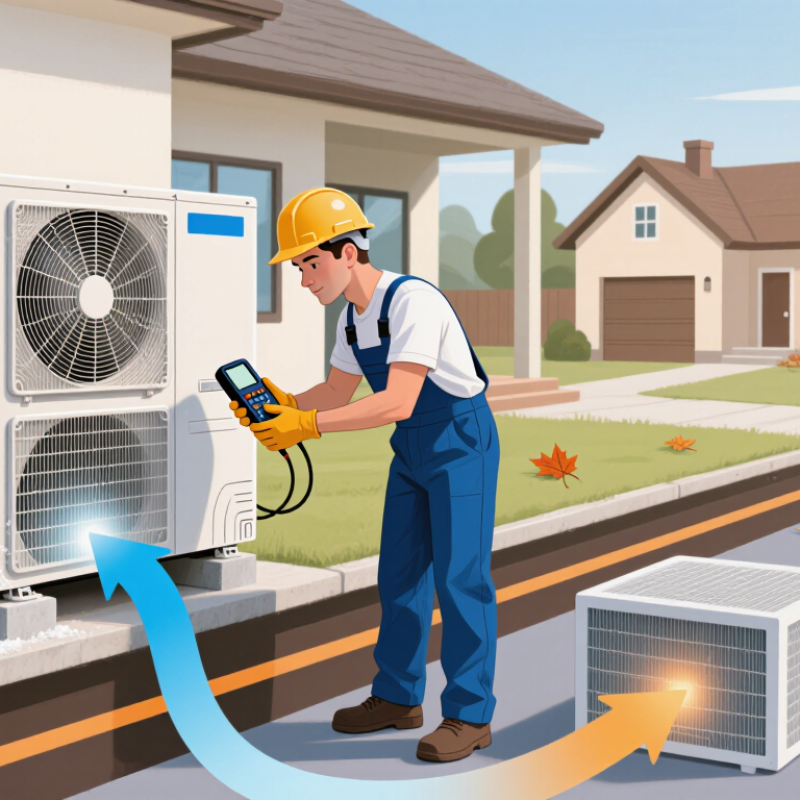
An air source heat pump usually lasts 15 to 20 years. The U.S. Department of Energy places typical heat pump life near 15 years. Energy Saving Trust reports that well-maintained air source systems may operate for about 20 years. These figures are estimates, not guarantees. Climate, installation quality, operating hours, and maintenance can change the result.
Seven practical factors matter. Choose correct system sizing, because oversized units cycle too often. Use a qualified installer and check airflow before commissioning. Clean or replace indoor filters regularly, especially during dusty renovations. Keep leaves, snow, and grass away from the outdoor coil. Clear the condensate drain before freezing weather. Arrange professional electrical and refrigerant checks when performance drops. Record unusual noise, longer heating times, and rising electricity use.
Small details matter.
A blocked coil can reduce heat transfer and increase compressor strain. Poor drainage may create ice around the base. The International Energy Agency identifies efficient heat pumps as important for reducing building energy demand, but efficiency depends on real operation. A 2024 household survey might show lower performance than laboratory ratings. That gap deserves attention. Lifespan also depends on repair decisions; replacing one fan motor may be sensible, while a failing compressor near year eighteen may not be. The number is useful, but imperfect.
Most systems operate for 10 to 15 years. Some well-maintained units reach 15 to 20 years. These estimates are useful, but imperfect. Climate, installation quality, usage, and maintenance change the result.
Correct sizing prevents frequent starts and stops. Professional installation protects airflow and electrical performance. Regular maintenance reduces compressor strain. Harsh weather can shorten service life.
Keep leaves, grass, and snow away from the coil. Leave clear space around the unit. Remove thick ice only through safe, approved methods. A blocked coil transfers less heat.
Check indoor filters regularly. Dusty homes may need more frequent cleaning. Renovation dust can block airflow quickly. Weak airflow makes the system work harder. Small details matter.
Watch for rising electricity bills and longer heating cycles. Grinding, rattling, or harsh vibration needs professional inspection. Lukewarm air during cold weather may indicate reduced capacity. Repeated starts and stops are also concerning.
Light frost can appear during cold weather. It should normally clear during a defrost cycle. Thick ice that remains may indicate drainage or defrost trouble. Ice around the base can also signal poor condensate drainage.
Repair often makes sense below ten years old. Common repairable parts include sensors, capacitors, fan motors, and control boards. Ask for a written diagnosis and tested measurements. Do not accept age alone as proof of failure.
Replacement deserves serious consideration after 12 to 15 years. A failing compressor or repeated refrigerant leaks can change the decision. Compare repair costs with replacement costs. Check cold-weather capacity, noise, duct condition, and expected electricity use. I might still misjudge the timing. Service records help.
How long does a typical air source heat pump last? With proper installation, regular servicing, and suitable operating conditions, an air source heat pump can commonly provide reliable heating and cooling for around 10 to 15 years, although its actual lifespan depends on climate, usage, system quality, and maintenance. Routine care, such as cleaning filters, keeping outdoor units clear, checking airflow, inspecting electrical connections, and scheduling professional service, can help improve efficiency and extend equipment life.
As a heat pump ages, warning signs may include unusual noises, weak airflow, inconsistent temperatures, frequent cycling, rising energy bills, or repeated repair needs. Minor problems should be addressed promptly to prevent further damage. However, when repairs become frequent or expensive, efficiency drops significantly, or major components begin to fail, replacing the system may be more practical than continued repair. Understanding these factors helps homeowners plan maintenance, recognize aging equipment, and make informed decisions about repair or replacement.

 Retro Pumps