Why is my heat pump freezing up in cold weather? It is a common question during icy mornings, but the answer is rarely just “the temperature is too low.” A thin layer of frost can be normal. Thick ice covering the outdoor coil is not. It can reduce airflow, raise energy use, and damage the compressor if ignored.
This guide examines the ten most common causes, including blocked filters, dirty coils, restricted airflow, refrigerant problems, faulty defrost controls, damaged fans, and drainage issues. HVAC educator John Barba offers a practical warning: “A little frost is normal; a block of ice is not.” That distinction matters. Look closely at the outdoor unit. Is the coil lightly frosted, or does ice resemble a hard shell around the fins? Is the fan running? Are vents delivering warm air indoors? These details can reveal the direction of the problem.
The discussion combines field-tested troubleshooting with manufacturer guidance and safety-minded recommendations. Some causes are simple, such as replacing a clogged filter. Others require pressure testing, electrical measurements, or licensed professional service. Do not chip ice from the coil with a tool. You may bend delicate fins or puncture the tubing. Turn off the system if ice keeps growing, strange noises appear, or airflow becomes weak. The diagnosis is not always neat. Weather, installation quality, maintenance history, and equipment age can overlap. Understanding those clues can prevent an expensive guess and help your technician find the real cause faster.
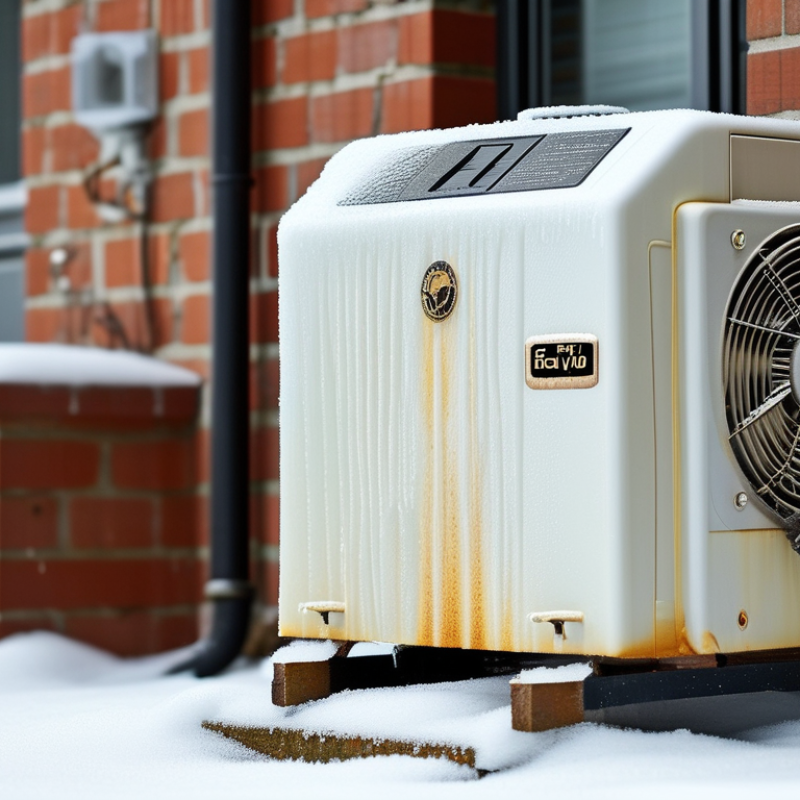
Top 10 Reasons Your Heat Pump Freezes Up in Cold Weather
How a Heat Pump Freezes During Cold Weather
A heat pump can develop frost during cold weather, and light frost is often normal. The outdoor coil pulls heat from cold air, causing moisture to condense and freeze on its surface. A working defrost cycle usually removes this layer within several minutes. Trouble begins when ice keeps building. Blocked airflow, a dirty filter, or leaves pressed against the outdoor coil can trap cold air and reduce heat transfer. The system then works harder, but produces less heat.
Refrigerant problems, a weak outdoor fan, or a faulty defrost sensor can create the same symptom. Drainage matters too. Meltwater may refreeze beneath the unit, forming a hard ice mound around the base. During inspections, technicians often find more than one cause. The first diagnosis can be wrong. Do not ignore unusual buzzing, poor airflow, or ice covering the entire coil. Running the system continuously in that condition may damage the compressor.
Tips: Check the filter monthly and keep at least two feet of clearance around the outdoor unit. Never chip ice with a tool or pour boiling water over the coil. Use the emergency heat setting only as directed by the equipment manual. If ice returns after a complete defrost cycle, schedule a qualified inspection. Take a photo of the frost pattern first; it can help identify airflow or drainage problems.
| Rank | Common Reason | How It Causes Freezing | Typical Warning Signs | Recommended First Action | Potential Severity |
|---|---|---|---|---|---|
| 1 | Normal Defrost Cycle Is Not Completing | During heating, the outdoor coil can collect frost. The system must periodically reverse operation and melt that frost. A faulty defrost control, sensor, or reversing valve can interrupt this process. | Heavy frost remains on the outdoor coil, heating output drops, and the unit may stay iced over after a defrost attempt. | Check whether the unit has attempted a defrost cycle. If ice remains or the cycle repeats abnormally, arrange a professional inspection. | High |
| 2 | Restricted Airflow From a Dirty Filter | A clogged indoor air filter reduces air movement across the indoor coil. Lower airflow can reduce system performance and contribute to abnormal operating temperatures. | Weak airflow from supply vents, longer heating cycles, increased dust, or a filter that appears gray and blocked. | Replace a disposable filter or clean a reusable filter according to the equipment instructions. Do not operate the system without a filter. | Medium |
| 3 | Blocked Outdoor Coil | Leaves, snow, dirt, or packed ice can prevent outdoor air from passing through the coil. Poor airflow makes it harder for the heat pump to absorb heat from cold outdoor air. | Visible debris, snow accumulation, reduced airflow around the outdoor unit, or frost concentrated across much of the coil. | Turn off power before carefully clearing loose debris and snow. Keep clearances open and never chip ice from the coil with a sharp tool. | Medium |
| 4 | Low Refrigerant Charge or a Refrigerant Leak | Insufficient refrigerant can lower coil pressure and temperature. Moisture in the air may then freeze on the coil instead of draining away during normal operation. | Persistent ice, reduced heating capacity, hissing sounds, unusually long run times, or a gradual decline in performance. | Do not add refrigerant yourself. A qualified technician should locate and repair the leak, then verify the charge and system operation. | High |
| 5 | Outdoor Fan Motor or Fan Blade Problem | If the outdoor fan is not moving enough air, heat transfer decreases and the outdoor coil may become excessively cold and accumulate ice. | The fan does not run, runs slowly, makes unusual noises, or stops while the compressor continues operating. | Switch the system off if the fan is not operating correctly. Keep hands away from moving parts and request professional service. | High |
| 6 | Blocked or Poorly Positioned Drainage | Water produced when frost melts must drain away. A blocked drain, frozen drain outlet, or poorly positioned unit base can allow water to refreeze around the outdoor coil or cabinet. | Ice buildup at the bottom of the unit, standing water near the base, or repeated refreezing after a defrost cycle. | Keep the drain area clear of snow and debris. If water cannot drain freely, have the drainage arrangement inspected. | Medium |
| 7 | Defrost Sensor or Control Failure | The defrost system relies on temperature and timing controls to identify frost conditions. A failed sensor, wiring fault, or control problem may prevent defrost from starting or ending correctly. | No visible defrost cycle, frequent icing, incorrect cycling, or a system that remains in heating mode despite heavy frost. | Record the operating symptoms and call a qualified technician. Electrical controls should not be bypassed or adjusted without proper testing. | High |
| 8 | Extreme Humidity, Freezing Rain, or Wet Snow | Cold, moist air supplies more water vapor to the outdoor coil. Frost can accumulate faster than usual, especially during freezing fog, sleet, or wet snowfall. | Frost appears quickly during damp weather but clears during a normal defrost cycle. The unit may otherwise operate normally. | Keep the outdoor unit unobstructed and monitor whether the system completes regular defrost cycles. Temporary frost can be normal in these conditions. | Low |
| 9 | Incorrect Thermostat Settings or Control Issues | Incorrect mode selection, an unsuitable fan setting, or a thermostat communication problem can cause abnormal cycling and prevent the system from responding properly to temperature changes. | Unexpected operating mode, frequent short cycles, continuous operation, or a room temperature that does not match the set point. | Confirm the system is in heat mode, set a reasonable temperature, and check for thermostat alerts. Consult the equipment instructions before changing advanced settings. | Medium |
| 10 | Improper Sizing, Installation, or Lack of Maintenance | An incorrectly sized or installed system may run excessively, have inadequate airflow, or lack sufficient clearance. Neglected maintenance can make these problems worse. | Repeated icing, uneven heating, high energy use, persistent noise, or performance problems since installation. | Schedule a complete inspection covering airflow, coil condition, refrigerant pressure, electrical components, defrost operation, and installation clearances. | High |
: Light frost can appear during cold, damp weather. Freezing rain may worsen it. A thick ice shell is not normal.
Restricted airflow is a common cause. Dirty filters, closed vents, leaves, and packed snow reduce heat transfer. Low refrigerant or defrost faults may also freeze the coil.
Inspect the filter monthly. Keep registers and return grilles open. Notice whether warm air feels weak. A clean filter does not prove everything works.
Keep roughly two feet clear around the coil. Remove leaves, snowbanks, packed ice, and stored tools. The top also needs open airflow.
Turn the system off. Do not chip ice with a sharp tool. The fins and refrigerant tubing can be damaged easily.
Watch for repeated shutdowns and uneven frost patterns. During defrost, the fan behavior may change. Warm air should return afterward. I would not trust appearance alone.
Yes. Meltwater can collect beneath the coil and freeze into a hard ridge. This small detail is easy to miss during a quick inspection.
Arrange an inspection when ice returns quickly. Professional testing can check refrigerant pressure, sensors, electrical connections, and airflow. Keep notes before calling.
Note the outdoor temperature, frost location, airflow strength, and defrost timing. A short video may help. My earlier quick fixes sometimes missed deeper faults.
A heat pump can freeze in cold weather when moisture turns to ice on the outdoor coil faster than the system can remove it. Restricted airflow from clogged filters, blocked vents, dirty coils, leaves, snow, or poor clearance can reduce heat transfer and allow ice to accumulate. Normal frost is usually cleared during a defrost cycle, but refrigerant leaks, incorrect refrigerant levels, faulty reversing valves, damaged sensors, or control problems may prevent proper defrosting. This explains why is my heat pump freezing up in cold weather?—the cause may involve airflow, system controls, or outdoor conditions rather than temperature alone.
Weather and installation factors also matter. High humidity, freezing rain, inadequate drainage, poor insulation, and incorrect equipment sizing can increase the risk of icing. Regular maintenance helps prevent problems by keeping coils clean, checking airflow, inspecting refrigerant performance, testing sensors, and confirming that the defrost system operates correctly. If ice returns quickly or covers the entire outdoor unit, shut the system down when appropriate and arrange a professional inspection to avoid damage and restore efficient heating.

 Retro Pumps