If you're wondering, "Why is my heat pump blowing cold air in heating mode?" you're not alone. Many homeowners face this issue, especially during the colder months. A heat pump should efficiently circulate warm air, providing comfort and warmth. However, when it fails to do so, it can lead to frustration and discomfort.
Understanding the underlying reasons for this problem is crucial. Sometimes, it's a simple fix, such as a dirty filter or a thermostat issue. Other times, it may indicate a more significant concern, like low refrigerant levels or a malfunctioning compressor. Identifying these issues early can save you time and money.
In this article, we will explore ten practical tips to address cold air blowing from heat pumps. With the right knowledge, you can troubleshoot effectively. Whether you decide to tackle the problem yourself or call in a professional, being informed will enhance your decision-making. Let’s delve into these tips and regain control of your home’s heating system.
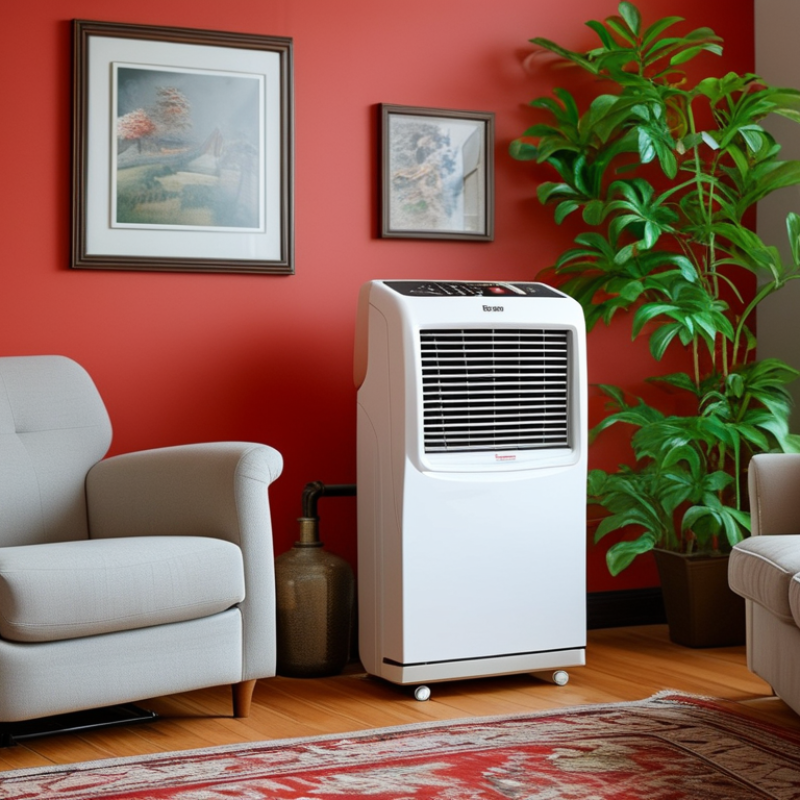
Heat pumps are efficient systems for heating and cooling. In heating mode, their main function is to transfer heat from the outside air to your home's interior. However, sometimes they can blow cold air, which can be frustrating. Understanding how heat pumps operate can help you identify potential issues.
Heat pumps work by extracting heat from the outdoor air, even in cold weather. The heat is then compressed and released inside. If cold air is blowing, it might be due to a few reasons. For instance, a dirty air filter restricts airflow. This can lead to ineffective heating. Regular maintenance is key to keeping your system running smoothly.
Another potential cause could be that the outdoor unit is frozen. Ice buildup impacts heating efficiency. It’s essential to check for debris or obstructions around the unit. Moreover, a malfunctioning reversing valve may incorrectly switch the system into cooling mode. Such issues require prompt troubleshooting. Understanding these elements will aid in effective heat pump management.
Experiencing cold air from your heat pump while it's supposed to provide warmth can be frustrating. One common issue is the thermostat setting. If it’s set incorrectly, your system may not function properly. Make sure you check it often. Sometimes, users mistakenly set it to ‘cool’ instead of ‘heat’.
Another reason could be a dirty filter. A clogged filter restricts airflow, making it harder for the unit to heat your home effectively. Regular cleaning or replacement of filters can greatly improve performance. Also, check the outdoor unit. If it’s covered in ice or debris, it won't operate efficiently. Clearing away ice and ensuring nothing obstructs it is essential.
Refrigerant levels also play a crucial role. Low refrigerant can prevent the system from heating properly. A professional inspection may be needed if this is the case. Finally, the age of the heat pump matters. Older units may struggle to maintain performance. In such cases, regular maintenance is key to prolonging their lifespan.
When your heat pump is blowing cold air in heating mode, thermostat settings might be the root of the issue. Improper settings can lead to inefficient heating. According to the U.S. Department of Energy, nearly 20% of home energy expenditures are attributed to heating systems. Ensuring that your thermostat is correctly programmed is critical for energy efficiency.
Check if your thermostat is set to "heat" rather than "cool." Sometimes, homeowners mistakenly leave it on the wrong setting. Additionally, confirm that your thermostat is compatible with your heat pump model. Some thermostats cannot communicate effectively with specific heat pumps. A mismatched system could lead to inconsistent temperatures.
Another aspect to consider is the location of your thermostat. If it's near drafts or heat sources, it may inaccurately gauge room temperatures. A study from the American Society of Heating, Refrigerating and Air-Conditioning Engineers reported that poor sensor placement leads to energy waste in over 30% of homes. Adjusting the thermostat's location or its settings can significantly optimize heating performance, making a substantial difference in comfort levels.
When dealing with a heat pump that blows cold air in heating mode, inspecting both indoor and outdoor units becomes crucial. Ice or debris can significantly impact efficiency. According to the U.S. Department of Energy, heat pumps can lose effectiveness if their outdoor coils are coated with ice. Even a thin layer of frost can disrupt the heating cycle. Regularly check for ice build-up, particularly during colder months.
Indoor units also require attention. Dust and dirt can accumulate on filters and blowers, leading to airflow issues. A significant report by the EPA indicates that dirty HVAC systems can decrease efficiency by up to 30%. Inspect and clean filters regularly to maintain optimal performance. This seemingly simple task is often overlooked but is critical for heat pump efficiency.
Debris around outdoor units can obstruct airflow. Leaves, branches, or dirt may block intakes, forcing the system to work harder. This not only results in cold air blowing inside but can also lead to higher energy bills and increased wear. Take time to clear any obstacles in the vicinity of your heat pump. Reflect on these common issues to ensure your system operates effectively.
| Tip Number | Description | Action |
|---|---|---|
| 1 | Check the Thermostat Settings | Ensure the thermostat is set to 'Heat' mode. |
| 2 | Inspect for Ice Build-Up | Examine outdoor unit for ice or frost. |
| 3 | Clear Debris Around Outdoor Unit | Remove leaves, snow, or dirt obstructing airflow. |
| 4 | Change Air Filter | Replace or clean the HVAC air filter. |
| 5 | Inspect Ductwork for Leaks | Check ducts for any gaps or leaks. |
| 6 | Check for Proper Refrigerant Levels | Ensure refrigerant levels are within normal range. |
| 7 | Inspect the Indoor Unit | Check for blocked vents or damaged components. |
| 8 | Test the Electrical Connections | Ensure all electrical components are functioning. |
| 9 | Evaluate the Heat Pump's Age | Consider if the unit needs replacement due to age. |
| 10 | Consult a Professional | If unsure, get a technician to assess the system. |
When your heat pump starts blowing cold air in heating mode, it can be disheartening. Sometimes, the solution might be as simple as a dirty filter or a thermostat issue. However, if these minor fixes do not resolve the problem, it may be time to call a professional. An experienced technician can assess your system more thoroughly. They have the tools and expertise needed to diagnose underlying issues that may be less obvious.
Moreover, unusual sounds or frequent cycling can indicate deeper problems. If the heat pump simply won't warm your space, don’t ignore it. Timely intervention from a skilled technician can prevent more severe damage later on. It’s easy to overlook these signs, thinking the heat pump will resolve itself. Taking action now can save you time and money down the road. Regular maintenance and inspections can also enhance the lifespan of your unit. Relying on a professional not only ensures efficient heating but also peace of mind during the colder months.
This bar chart shows the frequency of various issues that can cause a heat pump to blow cold air while in heating mode. Understanding these common problems can assist homeowners in identifying when it may be necessary to call a professional for help.
: A few reasons may cause this issue. Incorrect thermostat settings, dirty air filters, or ice buildup can all lead to cold air output.
Regular maintenance is crucial. Ideally, check your air filter every month and clean or replace it as needed.
Check for debris or obstructions. Clearing ice and ensuring good airflow is essential for efficient operation.
Improper thermostat settings can cause inefficient heating. Ensure it’s set to "heat," not "cool," for optimal performance.
Yes, older units may struggle to maintain desired temperatures. Regular maintenance can help extend their lifespan.
Absolutely. Poor placement near drafts or heat sources can lead to inaccurate readings and energy waste. Adjusting it can improve performance.
Review your thermostat’s specifications and consult the manual. Ensuring compatibility is key for reliable temperature control.
Contact a professional for an inspection. Low refrigerant can significantly affect your system's heating efficiency.
Ice can restrict airflow and impact heating efficiency. Regular checks and maintenance are needed to prevent this issue.
If you're wondering, "Why is my heat pump blowing cold air in heating mode?" there are several factors to consider. Heat pumps are designed to provide efficient heating, but they can sometimes malfunction. Common reasons for cold air output include incorrect thermostat settings, which may not be compatible with your heat pump, and ice or debris buildup on the indoor or outdoor units that can impede performance.
To address these issues, first check your thermostat for errors and ensure it is set correctly. Inspect both the indoor and outdoor units to clear any ice or debris that may be affecting airflow. If the problem persists after these checks, it may be time to call a professional technician to evaluate and fix the heat pump. By understanding these common causes and solutions, you can restore your home's comfort effectively.

Retro Pumps